

Recurring drain clogs can be frustrating, especially when the same problem returns after you’ve already had your pipes cleaned. Maybe your toilet gurgles when the shower runs, or several drains have started emptying more slowly than usual. These symptoms could indicate a problem deeper within your plumbing system.
Finding the source isn’t always straightforward when your sewer lines are buried beneath your home or yard. A sewer camera inspection allows plumbers to examine the inside of your pipes without immediately resorting to excavation. By identifying conditions that aren’t visible from the surface, the inspection can help you understand what’s happening underground and make more informed decisions about your plumbing.
How Does a Sewer Camera Inspection Work?
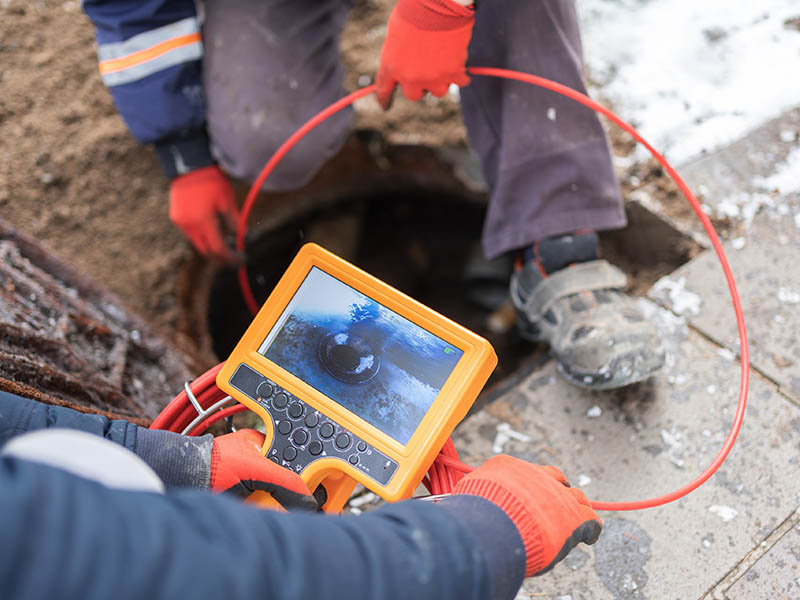
A sewer camera inspection uses a small, waterproof camera attached to a flexible cable to examine the inside of drain and sewer lines. As the camera travels through your plumbing, it transmits live video to a monitor, allowing your plumber to evaluate the pipe’s condition.
The process typically begins at an accessible entry point, such as a sewer cleanout. Your plumber guides the camera through the line, looking for obstructions, structural damage, and anything else that could interfere with wastewater flow. Some camera systems also include locating equipment that helps determine where a suspected problem is situated underground.
The footage provides a closer look at conditions that would otherwise remain hidden. Although the inspection doesn’t remove clogs or repair damaged pipes, it can help your plumber determine whether additional testing, cleaning, or repairs are appropriate.
7 Plumbing Problems a Sewer Camera Inspection Can Reveal
Your sewer system is largely hidden from view, making it difficult to identify problems based on household symptoms alone. A plumbing camera inspection can reveal several conditions that affect how wastewater moves through your pipes.
1. Tree Root Intrusion
Mature trees provide welcome shade for Phoenix-area homes, but their roots can sometimes interfere with underground sewer lines. When a pipe develops a crack or an opening at a joint, nearby roots may enter the line in search of moisture. As they grow, they can trap debris and restrict wastewater flow.
A sewer camera inspection can reveal visible root intrusion and help determine how much of the pipe is affected. While removing the roots may restore drainage, the opening that allowed them inside may still require repair to prevent the problem from returning.
2. Cracked or Broken Sewer Pipes
Underground sewer pipes can develop cracks due to aging materials, soil movement, or external pressure. Depending on their severity, these openings may allow wastewater to escape or surrounding soil to enter the line.
A sewer camera can reveal visible fractures, broken sections, and other structural irregularities, provided the affected area is accessible. For example, recurring backups might be caused by a damaged section where debris regularly accumulates. Identifying the location and extent of visible damage helps your plumber determine whether a localized repair or more extensive work is necessary.
3. Grease and Debris Buildup
Not every sewer problem involves structural damage. Sometimes, accumulated debris gradually reduces the space available for wastewater to flow. Kitchen plumbing is particularly vulnerable because cooking oils and grease can cool and adhere to pipe walls, eventually combining with food particles and other waste.
A camera inspection can reveal significant buildup and help locate the restriction. Your plumber can then determine whether conventional drain cleaning or a more thorough method, such as hydro jetting, is appropriate for your pipe’s condition.
4. Misaligned or Separated Pipe Joints
Sewer lines consist of connected pipe sections that can shift over time. Ground movement, aging connections, and installation issues may cause joints to separate or become misaligned. An offset joint occurs when two connected sections no longer line up correctly, creating an uneven area where debris can collect.
A sewer camera can reveal these irregularities and show whether openings have developed around the connection. Because cleaning doesn’t correct a displaced joint, the findings can help determine whether a structural repair is necessary.
5. Collapsed or Deteriorating Sewer Lines
As sewer pipes age or experience structural stress, they can weaken, deform, or collapse. These conditions may severely restrict wastewater flow and contribute to frequent backups.
During an inspection, your plumber may observe narrowing, broken material, or an obstruction that prevents the camera from traveling farther. A complete collapse can limit how much of the line can be examined, so additional evaluation may be necessary to determine the extent of the damage and whether the affected section needs replacement.
6. Foreign Objects Blocking the Pipe
Certain items can become lodged inside plumbing lines and create persistent drainage problems. Disposable wipes, hygiene products, children’s toys, and other objects can obstruct wastewater flow, even when your plumbing otherwise appears to be functioning normally.
A sewer camera can help identify visible objects and determine where they’re trapped. For instance, if your toilet repeatedly backs up despite having the drain cleared, an inspection might reveal an object lodged farther down the line. Knowing its location helps your plumber select an appropriate removal method.
7. Low Spots That Collect Wastewater
Sewer lines rely on proper slope to move wastewater away from your home. When a section of pipe settles and develops a low spot, wastewater may collect instead of flowing freely. These areas, commonly called sewer bellies, can develop due to soil settlement, inadequate support, or installation problems.
A camera inspection may reveal standing water and debris accumulation in an affected section. However, additional measurements may be needed to confirm the pipe’s slope and determine whether corrective work is necessary.
When Should You Schedule a Sewer Camera Inspection?
An occasional slow drain doesn’t automatically mean you need a camera inspection. Many isolated clogs can be resolved through routine drain cleaning, but certain situations warrant a closer look.
Your Drains Keep Clogging
If the same drain repeatedly clogs shortly after cleaning, something may be preventing it from staying clear. Persistent obstructions, tree roots, or damaged piping can contribute to repeated drainage problems.
A camera inspection can help determine whether there’s an underlying condition that ordinary cleaning hasn’t resolved. Identifying that condition may prevent you from repeatedly paying for temporary fixes.
Multiple Fixtures Have Drainage Problems
When several fixtures begin draining slowly or backing up, the problem may involve a shared drain or your home’s main sewer line. For example, you might notice your toilet gurgling when the washing machine drains or wastewater appearing in a bathtub when another fixture is used.
These symptoms deserve professional attention because they may indicate a restriction deeper within your plumbing system. An inspection can help determine whether an accessible sewer line contains an obstruction or other visible damage.
You’re Purchasing an Older Home
If you’re buying an older property in Phoenix, Glendale, Peoria, or a surrounding community, a sewer camera inspection may uncover problems that aren’t apparent during a standard home inspection. A home’s fixtures can appear to function normally even when underground sewer lines contain roots or deteriorating sections.
An inspection can be particularly worthwhile when the property has mature landscaping, aging plumbing, or a history of sewer repairs. Identifying these conditions before purchasing a home can help you better understand potential maintenance needs.
You’re Planning Sewer Line Repairs
If you’ve been told your sewer line needs significant repairs, camera footage can help establish the location and visible extent of the damage. A problem limited to one section may require a different approach than deterioration throughout the line.
Your plumber can use the findings, along with the pipe’s material and structural condition, to evaluate suitable repair or replacement options. This gives you a clearer understanding of the recommended work before making a decision.
What a Sewer Camera Inspection Can’t Detect
Although sewer camera inspections are valuable diagnostic tools, they have limitations. The camera can only examine sections of pipe that it can reach and clearly view, and certain problems require additional testing.
Some conditions that may require other diagnostic methods include:
- Hidden water supply leaks
- Completely blocked pipes
- Suspected wastewater leaks
- External pipe damage
A sewer camera inspection primarily examines the interior of accessible drain and sewer lines. Your plumber will consider the findings alongside your symptoms to determine whether other diagnostic methods are necessary.
Sewer Camera Inspection vs. Drain Cleaning: What’s the Difference?
Sewer camera inspections and drain cleaning serve different purposes, although they often complement each other. Drain cleaning removes obstructions, while a sewer camera inspection helps identify conditions inside the pipe that may be causing them. For a straightforward clog caused by hair or ordinary debris, cleaning may be all you need.
However, imagine your kitchen drain has backed up several times over the past year. Each cleaning restores drainage temporarily, but the problem eventually returns. A camera inspection might reveal a structurally sound pipe with substantial grease buildup, making a thorough cleaning the appropriate solution.
Alternatively, the footage could uncover a damaged connection that continues trapping debris. In that case, another cleaning wouldn’t necessarily correct the structural problem. Understanding the cause helps you choose a solution that addresses more than the immediate blockage.
How to Prepare for a Sewer Camera Inspection
Preparing for a professional sewer camera inspection is usually straightforward. You won’t need to expose underground pipes or open your sewer cleanout yourself, but sharing details about your plumbing problems can help your plumber evaluate the situation.
Before your appointment, consider these simple steps:
- Document the issues: Note which fixtures are affected and when problems occur.
- Share your plumbing history: Mention previous drain cleaning, sewer repairs, or recurring issues.
- Clear accessible areas: Move stored items or equipment away from your sewer cleanout, if you know its location.
- Limit water use during backups: If sewage is entering your home, avoid running fixtures and contact a plumber promptly.
You don’t need to diagnose the issue before your appointment. Providing accurate information about what you’ve experienced helps your plumber determine where to begin and what areas may need closer attention.
Schedule a Sewer Camera Inspection in Phoenix
Recurring clogs and sewer backups shouldn’t leave you guessing about your plumbing’s condition. A professional sewer camera inspection can help identify hidden problems and determine whether cleaning, repair, or replacement is appropriate.
Christian Brothers A/C, Plumbing & Electrical provides sewer camera inspections and plumbing services for homeowners throughout the Phoenix area. If you’re dealing with repeated blockages or suspect damage to your sewer line, our team can help you understand what’s causing the problem and discuss the next steps. Schedule a sewer camera inspection with Christian Brothers to get a clearer picture of your plumbing’s condition.